
Commercial Video Production in California’s Central Valley
If you are a business in California’s Central Valley looking for commercial video production that drives hiring, sales, credibility, or operational efficiency, this is where to start.
This page serves as the foundation for everything related to video production across agriculture, manufacturing, construction, and public agencies in the region. Every supporting article will connect back here, so you can clearly understand what types of videos work, what a production looks like, and how to choose the right format for your business.
Who This Is For
Commercial video is not one size fits all. The needs of a grower in Modesto are different from a construction firm in Fresno or a manufacturing facility in Stockton.
This guide is built specifically for:
Agriculture and Food Production
Growers, processors, packers, ranches, cold storage facilities, ag tech companies, and food manufacturers who want to show scale, quality, process, and people.
Video works especially well for:
Recruiting skilled labor
Showing harvest or production cycles
Building consumer trust
Explaining sustainability and safety practices
Manufacturing and Industrial Companies
Facilities that build, fabricate, assemble, process, or distribute products.
Video helps with:
Recruiting technicians and operators
Demonstrating quality control
Documenting complex processes
Supporting sales and investor conversations
Construction and Infrastructure Firms
General contractors, subcontractors, civil companies, heavy equipment operators, and specialty trades.
Video supports:
Project highlights
Bid support
Recruiting field crews
Showing safety culture
Public Agencies and Economic Development
Cities, counties, chambers, and workforce programs.
Video works for:
Entrepreneur highlights
Regional marketing
Workforce attraction
Public information campaigns
8 Types of Commercial Videos That Work
Not every company needs a cinematic brand film first. The right video depends on your goal.
1. Recruiting Videos
If hiring is a priority, this should often be your first move.
A strong recruiting video shows:
The real work environment
Leadership and culture
Equipment and facilities
Why someone should choose you
Short versions can be cut for LinkedIn, Instagram, and job boards.
2. BRAND STORY FILMS
This is your flagship piece.
A brand story typically includes:
Founder or leadership interviews
Mission and values
Process and craftsmanship
Customer impact
It becomes the anchor video on your website.
3. PROJECT HIGHLIGHT VIDEO
Ideal for construction firms and industrial companies.
These videos document:
Scope of work
Timeline
Scale
Technical capability
They serve as visual proof of performance.
4. SAFETY VIDEOS
For industrial and construction environments, safety communication is critical.
Video improves:
Consistency
Clarity
Onboarding efficiency
Compliance documentation
These are often built as a series.
5. TRAINING VIDEOS
Training videos reduce repeated explanations and standardize procedures.
They are effective for:
SOP walkthroughs
Equipment use
Quality control checks
Process documentation
6. CASE STUDIES VIDEOS
Best for B2B companies.
A case study includes:
A real client
A real challenge
A clear solution
Measurable results
It turns testimonials into structured credibility.
7. SOCIAL MEDIA CUTDOWNS
From one shoot day, multiple short videos can be created.
These are useful for:
LinkedIn visibility
Instagram Reels
YouTube Shorts
Sales follow ups
Instead of one long video, you build a content library.
8. DRONE OVERVIEW VIDEOS
Drone footage instantly communicates scale.
Ideal for:
Ranches
Industrial facilities
Construction sites
Distribution centers
It is often combined with ground level footage for a polished overview.
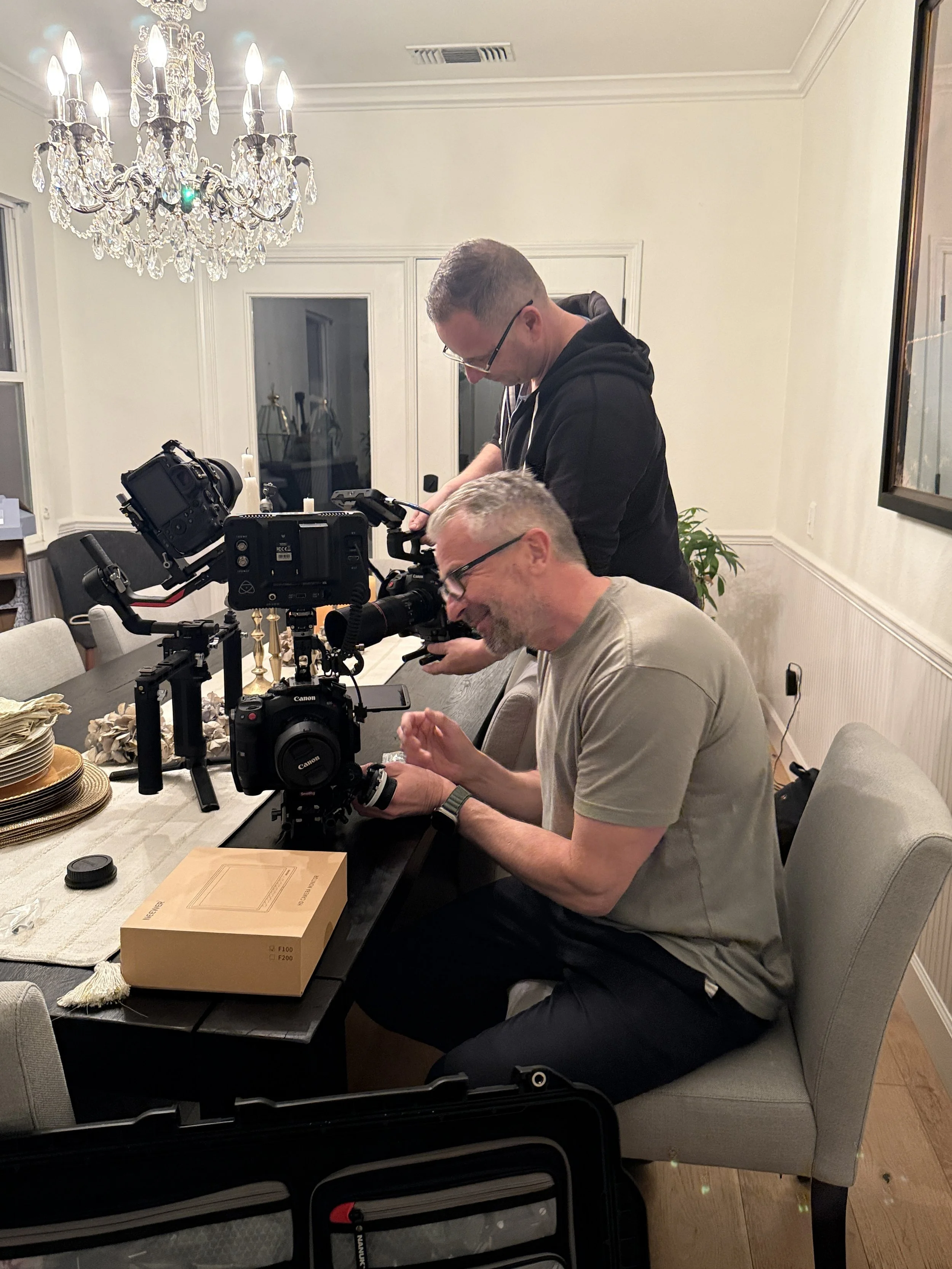
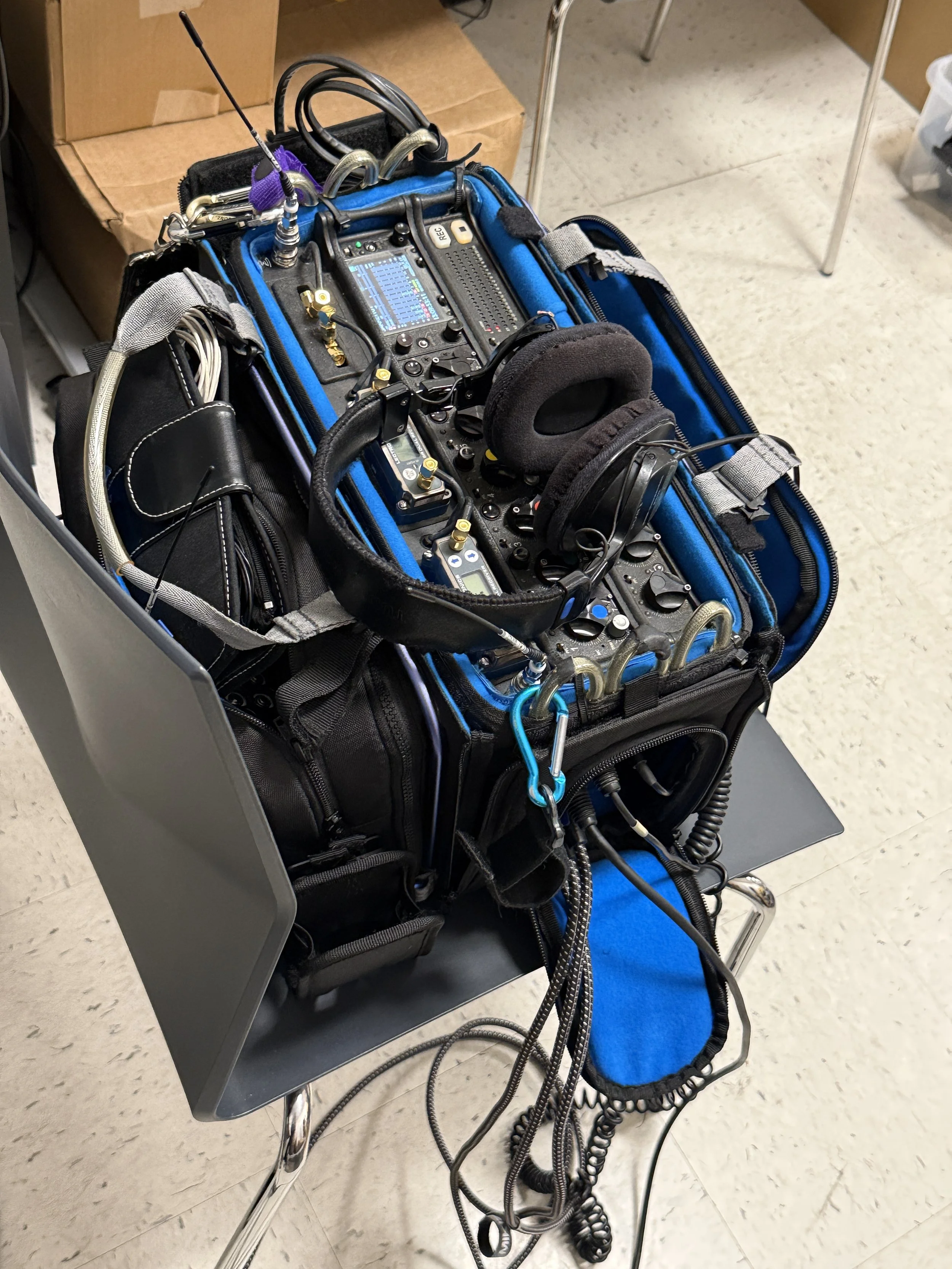
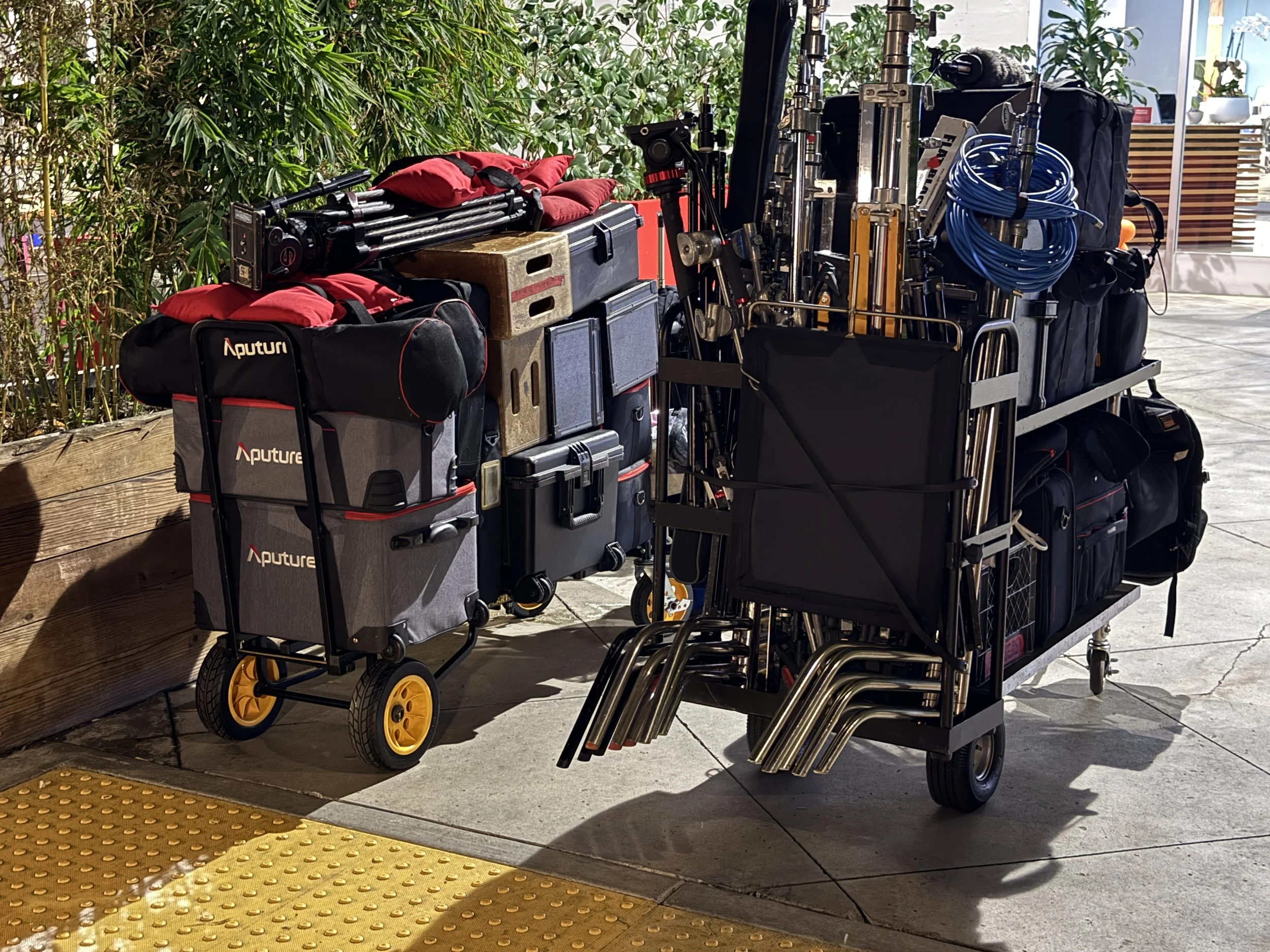
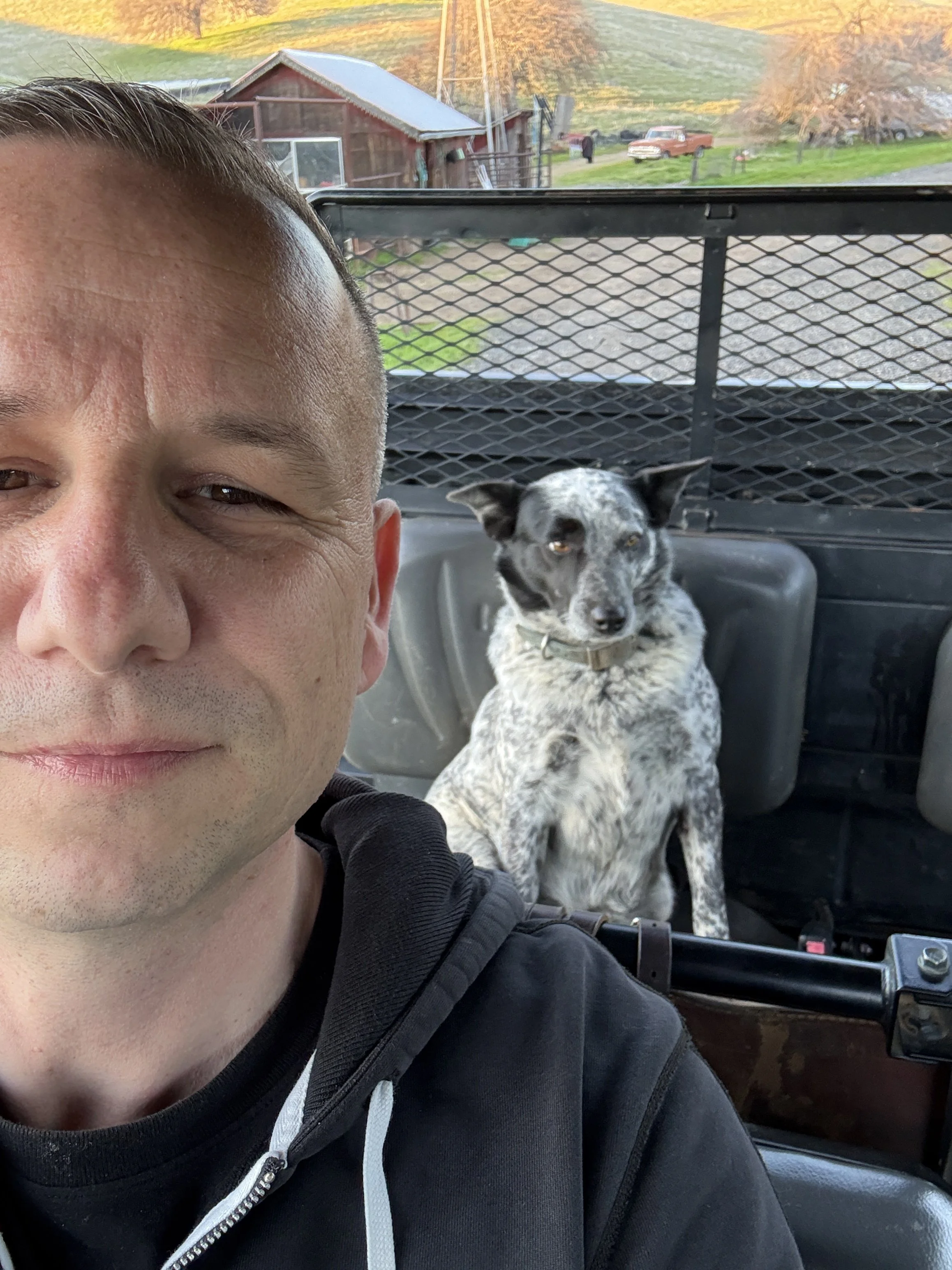
What a Typical Commercial Shoot Looks Like
Understanding the production process reduces friction and uncertainty.
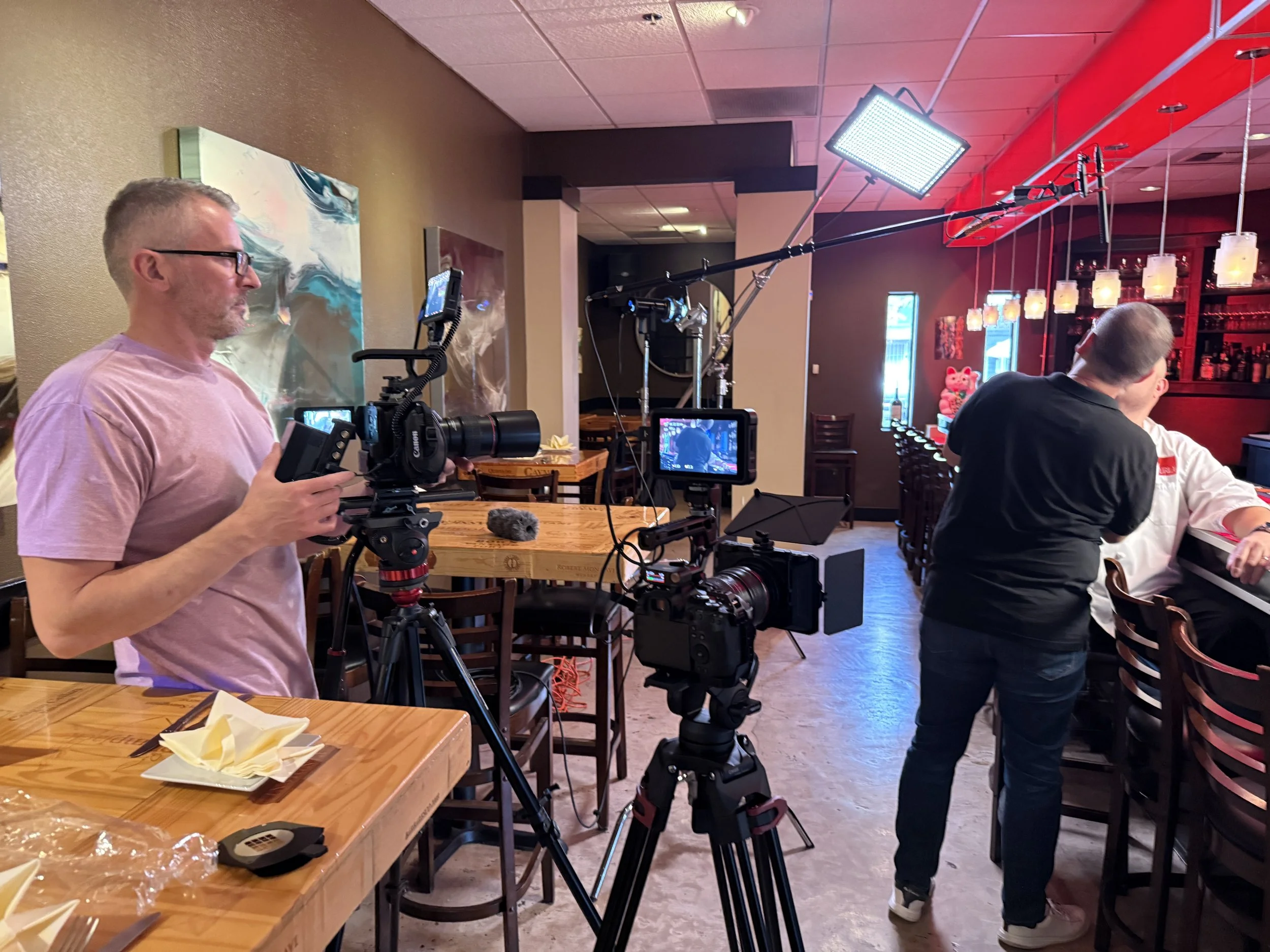
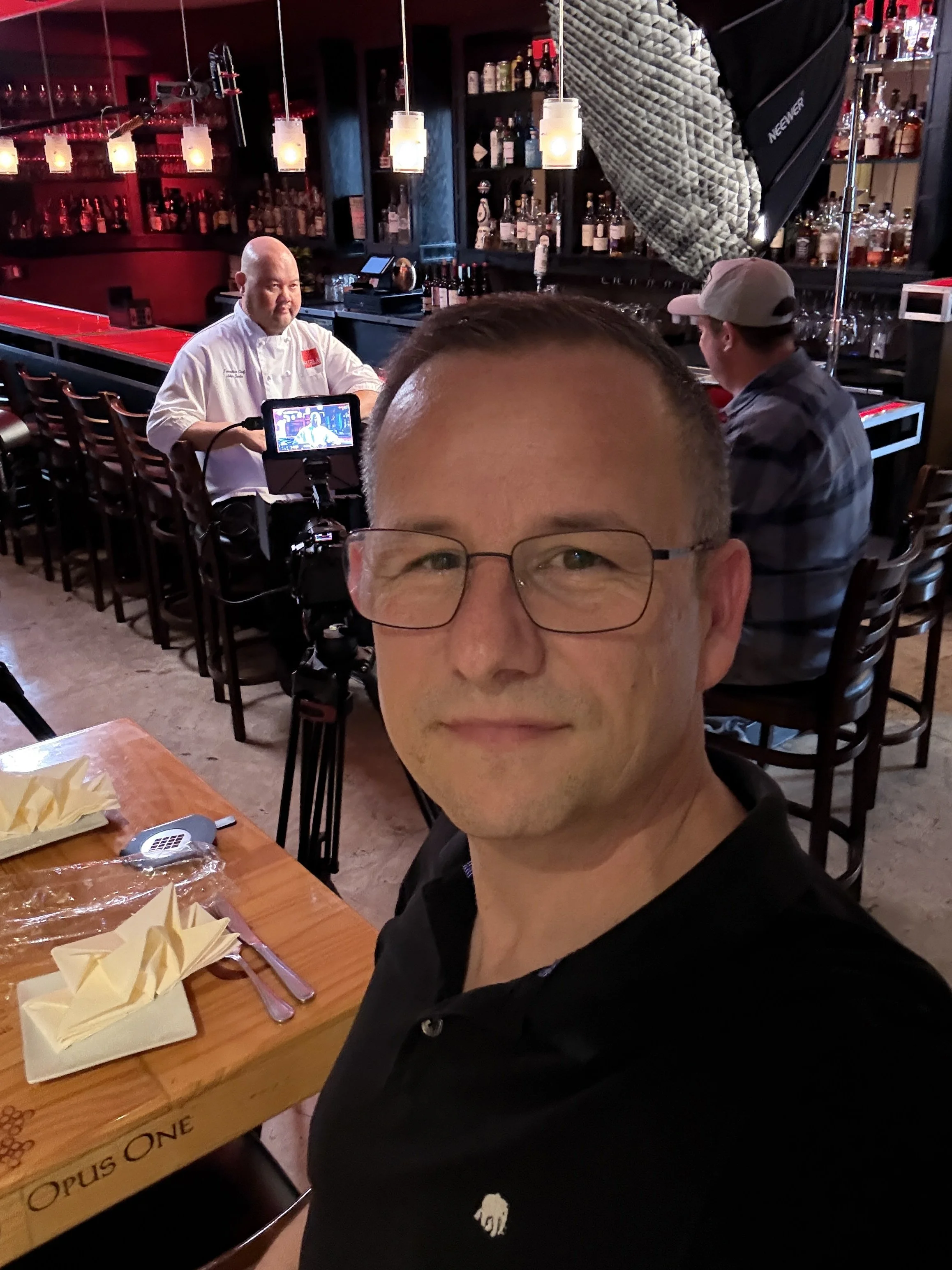
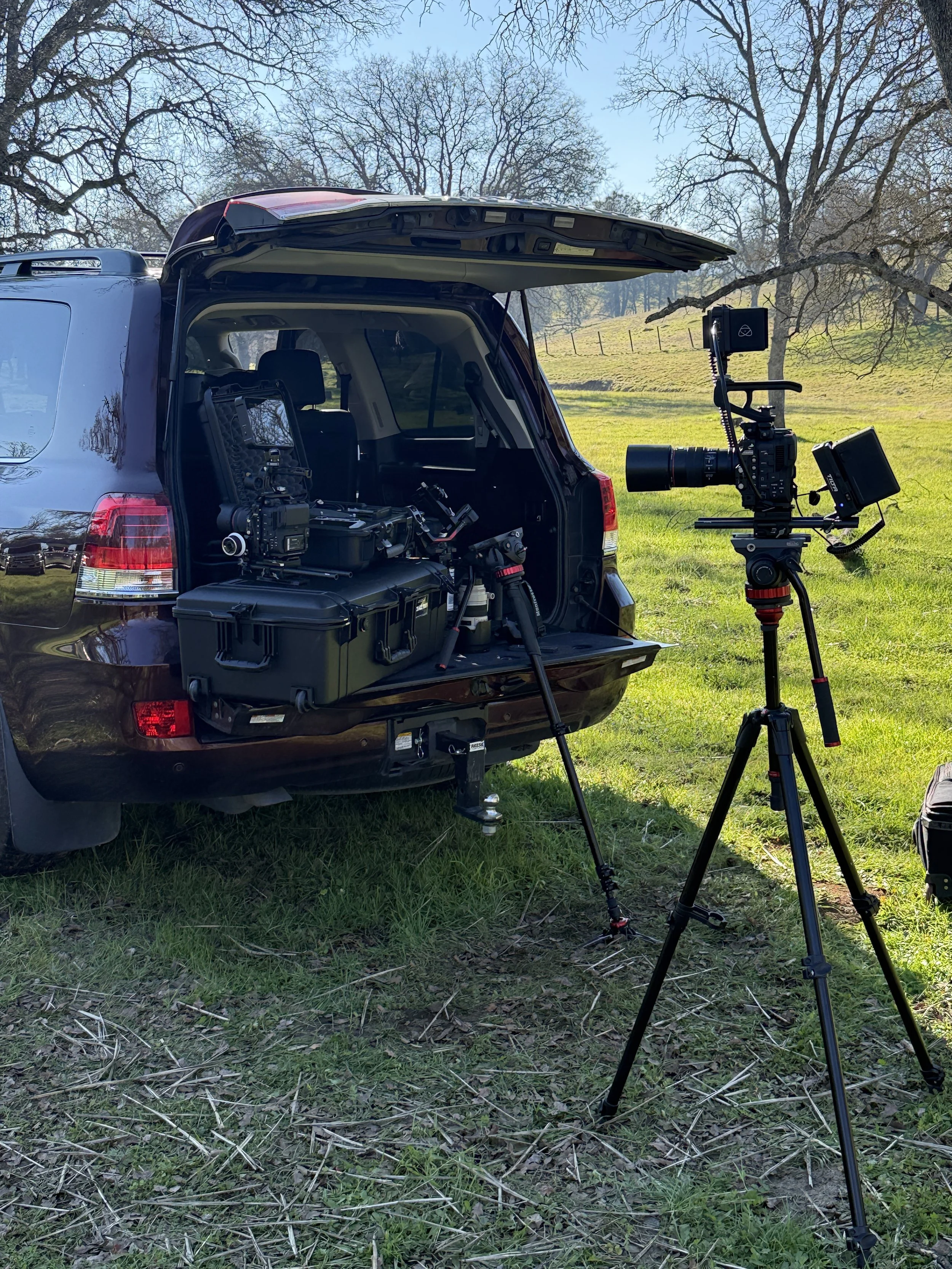
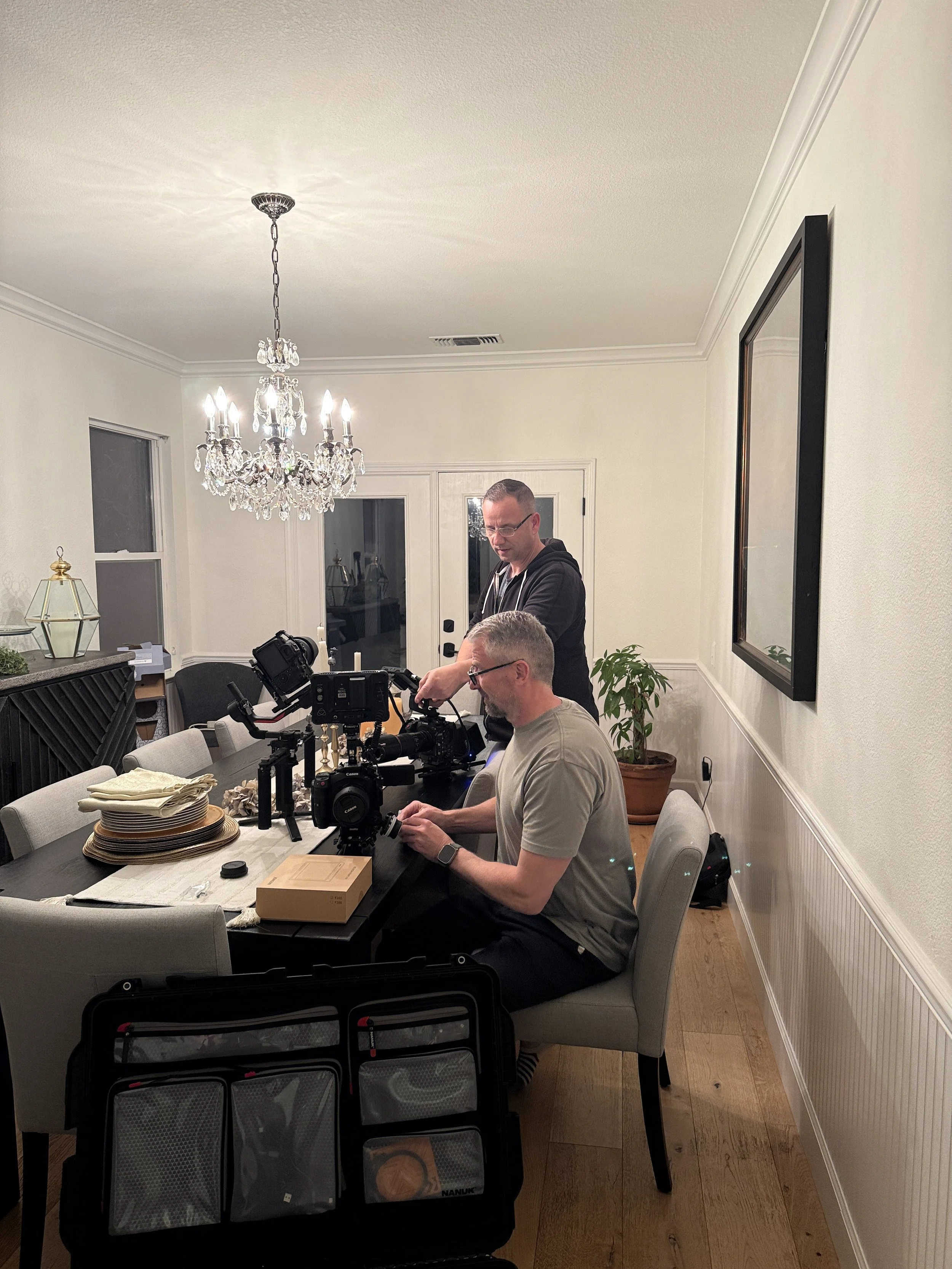
ONE DAY SHOOT
Ideal for:
Recruiting videos
Social cutdowns
Short project highlights
Typical structure:
Pre shoot walkthrough
One to two interviews
B roll of operations and process
Optional drone coverage
This format is efficient and focused.
TWO DAYS SHOOT
Brand story films
Case studies
Multi location projects
Complex operations
Benefits include:
More interview depth
Better lighting opportunities
Less disruption to operations
Broader coverage of process
Interviews, B Roll, and Drone Coverage
Most commercial projects combine:
Structured interviews
Controlled and natural B roll
Facility and exterior drone footage
The goal is to make your business look professional, capable, and credible without interrupting productivity.
WHERE WE TRAVEL
Based in California’s Central Valley, projects regularly span:
CENTRAL VALLEY
Modesto
Turlock
Oakdale
Riverbank
Manteca
Stockton
Merced
Fresno
Visalia
Tulare
Bakersfield
NORTHERN CALIFORNIA
Sacramento
North State
Select Bay Area projects
If your company operates in Northern California and needs commercial video production that understands industrial environments and active job sites, this region is fully covered.
Recent Commercial Video Projects
Hornitos beef
A family-run cattle operation focused on legacy and stewardship
GOLDRIVER ORCHARDS
An agricultural story centered on production, land stewardship, and generational farming.
SURLA’S RESTAURANT
A local business story highlighting leadership, culture, and community presence.
C3 CONSTRUCTION
C3 Construction project highlight video showcasing craftsmanship, jobsite progress, and the team behind the work.
Work With a Commercial Videographer in California
If you are in agriculture, manufacturing, construction, or a public agency and need commercial video production in California’s Central Valley or Northern California, the first step is simple.
Share:
Your industry
Your business goal
Your location
From there, the right format and production plan can be recommended.
If you are ready to move forward, schedule a call and outline your project.
.